

Book Review of Sublimina by Monica Gupta

Poetry is my go to waters. For relaxation. To dive into solace. Unlike the fast paced prose reading, while reading poems, I hold on to the emotion, ponder over the theme and ruminate over the essence.
“Sublimina”, a poetry anthology by Digant M Trivedi was a perfect pick to unwind. The term “Sublimina” is coined by the poet, personifying Sublime. The 127 poems contain various themes of love, life, beauty, death, happiness, punishment and many more. Hence, the variety of poems cater and comply with the varied moods of the reader.
Before a mirror
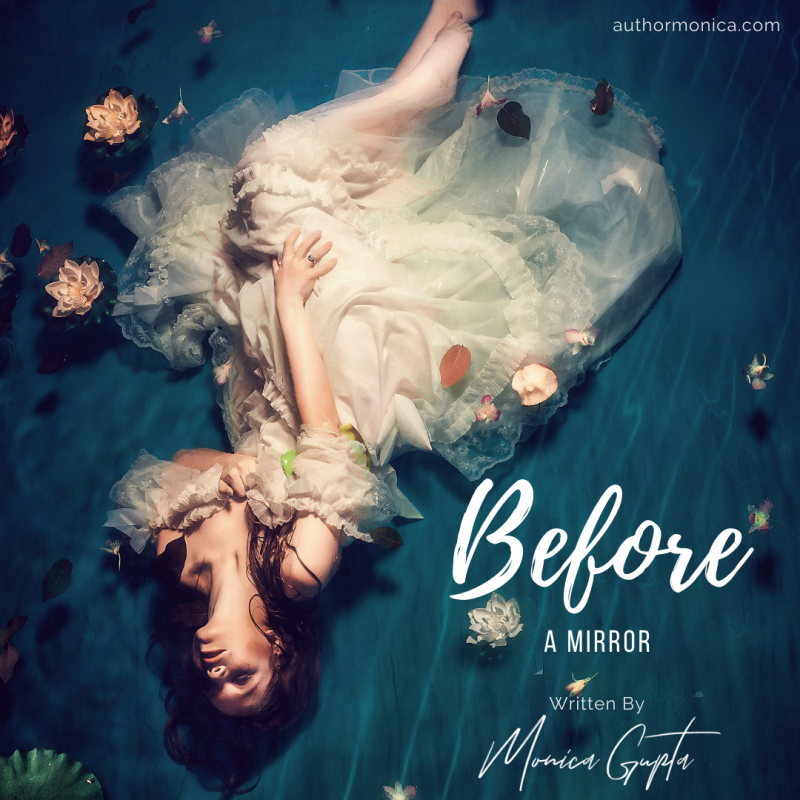
Before a mirror
VANITY – Here you are. Looking like a queen!
MIND – Stunning! And what about the feel like a queen?
EGO – Allow the Romantic prospects to serve you
The pen is my voice

The pen is my voice.
The wish of my heart.
The noise of my mind.
The whispers of my soul.
The talk of my eyes.
AAH! THE SIGHT OF ME.

AAH! THE SIGHT OF ME.
There’s a version of me,
That i now see in her.
Varied shades and facets,
That lay invisible to me.
Until, she bore them.
Wore them.
And now stands before me.
AND THE CAMERAS FLASHED.
My left hand tapped at the alarm clock. Slipping my feet into my purple slippers, I stepped out of the room. In the adjacent room, lights were on, the TV showed a blue screen, Dad was snoring. Looking at the usual vacant bed beside him, my lips drooped into a frown. I switched off the light and shut the doors. Into the kitchen, I Poured tea into my favorite white porcelain mug and walked to the drawing-room. I stood yet again, mom was sleeping on the couch. I placed the mug on the table without making any noise and gently lifted the sheet to cover her. Being a light sleeper, she woke up.
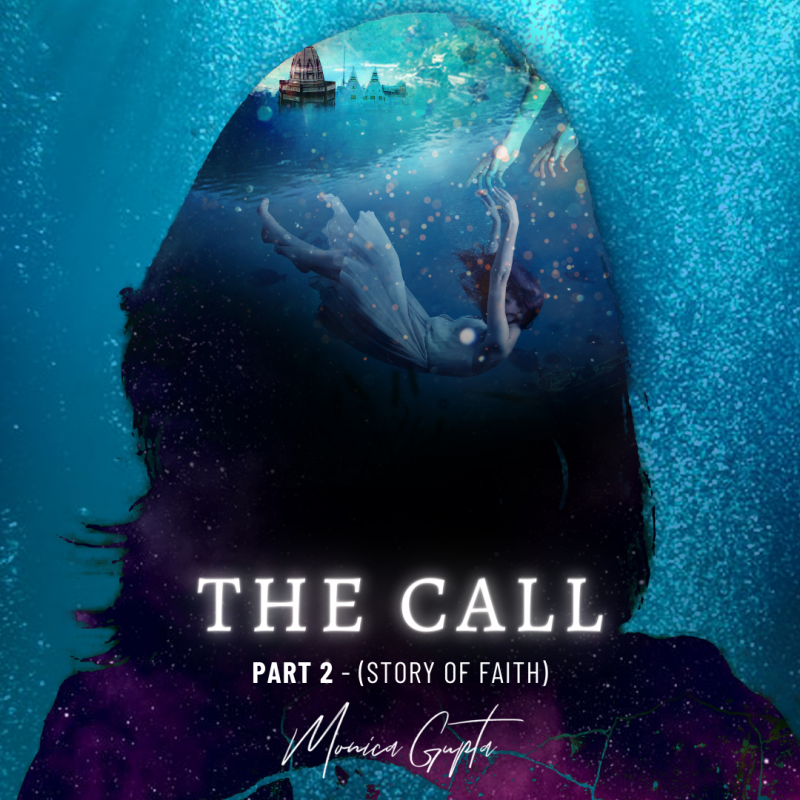
THE CALL (PART 2) -(Story of Faith)
Back in Haridwar, walking on the bridge over the Ganga. White-capped mountains rose in the distance. The river was a gigantic being flowing beneath. Anushri walked a few steps behind me.
Things wriggled in the river. I clutched the thick jute ropes and stuck my head out through the loose-knit loops for a closer look. Snakes and crocodiles slithered entwined below the surface. I wondered how they survived in pure, flowing water.
‘THE CALL’. Part-1 (Based on true incident)
“Anu…!”
I came awake with a silent scream on my lips. Eyes flashed open. Adrenalin coursed through my veins.
My little sister! Anu!
Open or shut, my eyes were seeing the same dark night. Someone snored. It took me a moment to realise it was matron in the room next to our dorm. I heaved a sigh of relief.
DIWALI – HOME COMING.
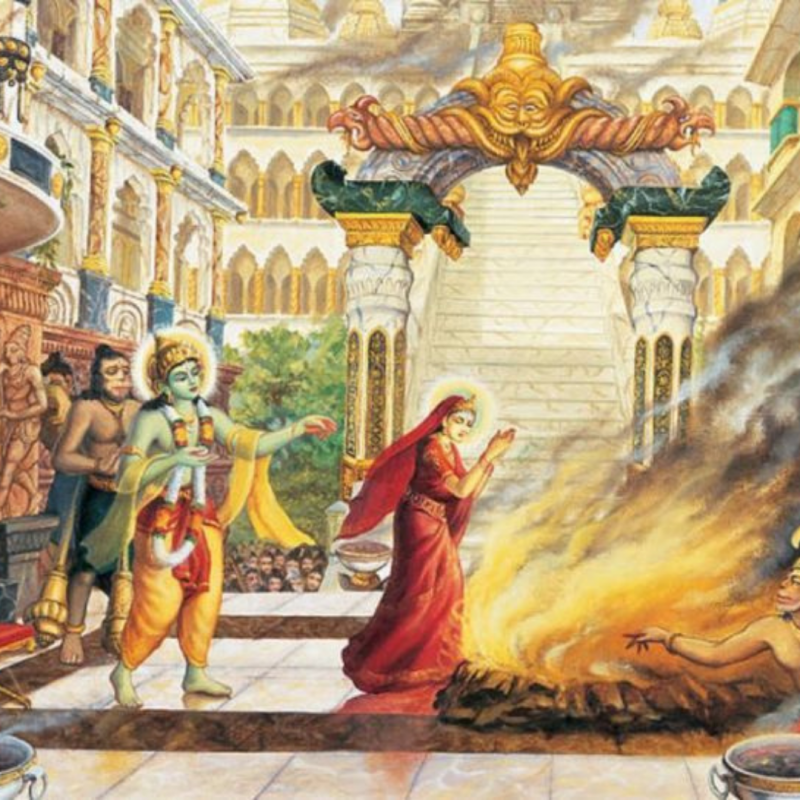
As a postlude to my write-up titled, “Wars and Festivals” that spoke of historical, mythological and individual battles, here is “Home Coming”.
We all know Diwali is the celebration of Lord Ram’s return to Ayodhya. After 14 years long tryst with resolving social issues of the day, facing the harsh forest life, taking back the empire that was deceitfully usurped within the family and waging a war with an Asur King to rescue his wife, he returned to his land triumphant, with newly developed skills, followers, learnings and stories to share. His journey stretched from North to South, and on his way, he touched the hearts of many. Grand décors, sumptuous feasts and open arms with glistened eyes welcomed him. Ayodhya was adorned with diyas to welcome its awaited and deserving king. The stories of his valour and victory spread far and wide as his coronation announced the dawn of Ram Rajya. The foundation of a new kind of leadership was laid – by a leader who ruled by being an example and who first practised and then preached.
WARS AND FESTIVALS

Battles have been an integral part of human history. Bulky mythological and historical texts are reflective of it. Massive, brutal wars have been fought to bring down the demons, the invaders, the evil and the devil to restore peace, and for conquests. Whether it was Mahabharata, the Greek wars or the wars of independence, the documented scriptures and texts speak of fights, fight as the path to attain the desired.
LANGUAGE KI LATHI
“Aisee Vani Boliye, Mun Ka Aapa Khoye Apna Tan Sheetal Kare, Auran Ko Sukh Hoye” (Speak with a language that brings healing and peace not just to others but to oneself.)
The legendary 15th century poet, Kabir Das, wrote the above mentioned words to highlight the purpose and art of using spoken words. The Indian culture has always been an epitome of compassion, hospitality and holism. For aeons, language has been used for constructive measures. Statesmen and leaders like Swami Vivekananda, Mahatma Gandhi, Priya Kumar, Shiv Khera and many others have influenced and driven people to progress with the right and articulate use of spoken language. Their list of testimony, which is filled with fans sharing how their words have transformed their and many other lives, is exemplary in showcasing the power and might of right words.