


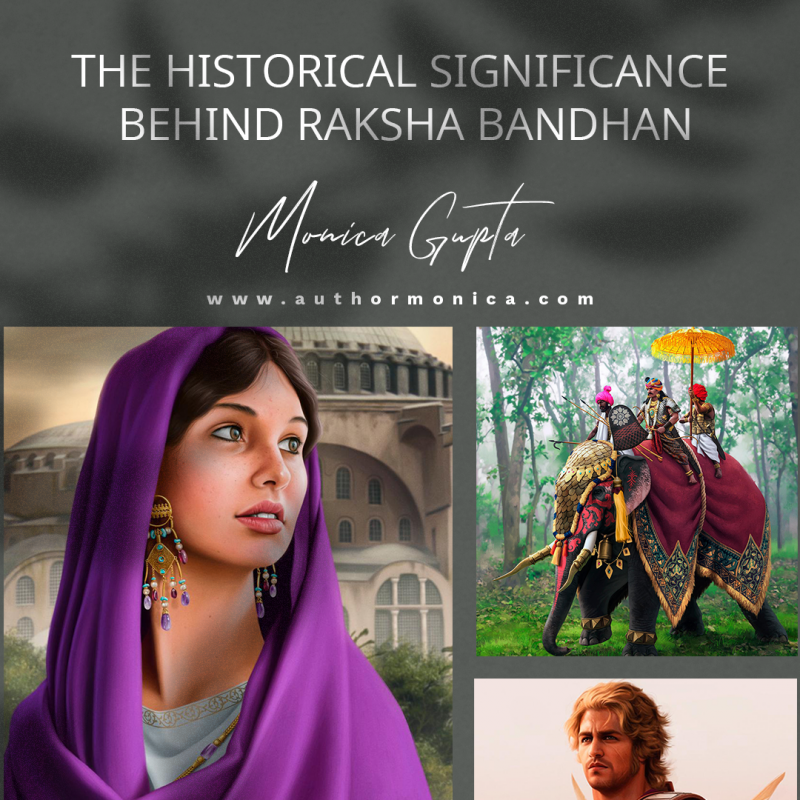
“Treat me as a king would treat another king.”
Emperor Porus of Purava kingdom spoke with pride as his hands and legs were chained but the head held high. He walked towards King Alexander of Macedonia, as a surrenderer, after giving him a tough fight, in the battle of Hydaspes (on the bank of river Jhelum, now in Punjab Pakistan) in 326 BC.
Alexander was on a winning Speer since the age of 20 yrs., individually expanding his territories and winning the glorious name as Alexander the Great. After establishing the Great Greek Empire in the west, he marched towards the Indian Sub-continent. For expansion in East, he had to cross the monsoon swollen rivers of Jhelum and Beas rivers that lay under the surveillance of King Porus, the Greek name for King Purshottam of Purvana Kingdom. On the first day of battle, Alexander who had under-estimated the Porus army was overwhelmed and astonished to witness their number and the outstanding skills and strength of the soldiers. The sight of Porus at warfare was another amazement. Seated atop the mighty elephant he butchered every enemy that crossed his path. Porus was wreaking havoc on the opponent army. Alexander admired his valour, as he observed his every attack and defence. On the first day itself, Alexander lost hundreds of his soldiers and suffered heavy artillery loss. Roxana, wife of Alexander has accompanied him during that time. When she heard of Porus’s army and their outstanding defence and fighting skills she became fearful. She felt as if something would happen to Alexander. She was acknowledged with Indian traditions and thus decided to meet Porus in person. She sent a messenger seeking a private meeting with him. Porus didn’t smell any foul play so nodded to the meeting.
Roxana took along a red and orange coloured thread. She walked towards king Porus with her head covered with a drape and tied the thread on his right wrist.
“This makes me your sister and you, my brother. I know about the Indian Tradition of Raksha Bandhan. This thread shall keep you reminded of me, of your now sister!”
Saying so she walked out of his tent and returned to her side of the camp. The next day again both the forces met and arrayed themselves for the battle. Coincidently, Porus and Alexander came face to face against each other, one to one in a sword duel. Two kingly sword clang thunderously. Every blow was received and returned with mightier strength. Alexander lost his stamina, as a result, he tripped and fell to the ground as his sword fell away. Porus now stood towering above him, his sword pointed just inches away from his throat. The armies froze. Porus raised his sword to stab Alexander, but as he raised his hand the red thread on his wrist appeared before his eyes. He recalled Roxana’s words, and his sword stabbed the ground beside Alexander. Porus spared him his life, uttering, “We are people of words. We keep our promises!” Alexander was baffled by Porus’s action. In the evening when he shared the happenstance with Roxana, she revealed to him with teary eyes about the amulet she had tied to Porus as a sign of bother sister bond.
The battle continued for days. King Porus lost the battle against the mighty army of Alexander the Great, but his defence against him has been written as a masterpiece in history. His surrender was honoured by King Alexander as he appointed him as the governor of the land. Hence, Porus retained his land and Alexander marched ahead to invade others.
Although not much has been mentioned about this event in many history books. The tradition of Raksha Bandhan, as a bond of protection between the brother and sister trails back to 356 BC.
Written By : Monica Gupta
Image Credit : JFoliveras